Experiment on the Rules for Entry into and Exit from Russia for Foreign Nationals
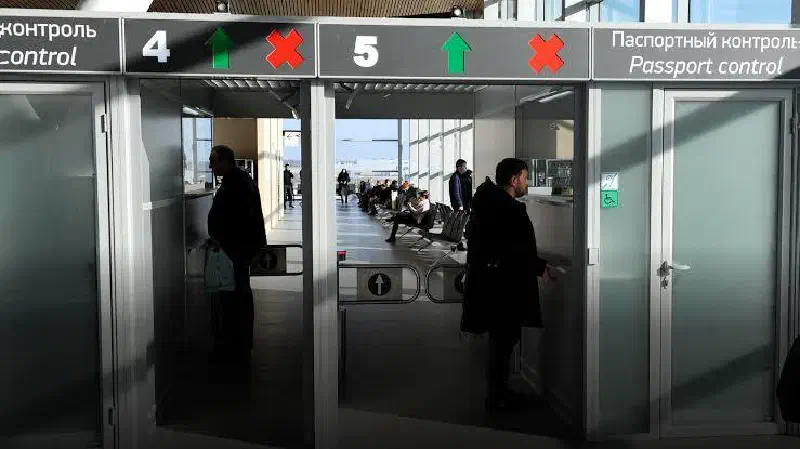
Since December 1, 2024, Russia has been running an experiment: the entry and exit rules for foreign nationals are being checked in a new format. Biometric data—facial photographs and fingerprints—is collected at the border, and travelers must notify the authorities about their trip in advance online. The legal basis is Resolution No. 1510 of the Government of the Russian Federation dated November 7, 2024.
The experiment applies to almost everyone entering Russia: tourists, workers, and those traveling to visit relatives. Citizens of Uzbekistan, Tajikistan, Kyrgyzstan, Armenia, and Azerbaijan must do two things: register their trip in the “Gosuslugi. RuID” app and provide biometric data at checkpoints where this system is already operating.
The experiment has been extended until December 31, 2027—the extension was introduced by Resolution No. 468 of the Government of the Russian Federation dated April 27, 2026, and has been in effect since June 30, 2026. The conditions may change before then, so check the rules applicable at the time of your trip.
In brief: what to do
- Check whether the experiment applies to you: it is mandatory for all foreign nationals except citizens of Belarus, diplomats, and children under 6.
- Install the “Gosuslugi. RuID” app and register—the step-by-step process is described in the guide, how to register with Gosuslugi RuID.
- Submit an electronic travel application no later than 72 hours before entry; in an emergency, at least 4 hours in advance.
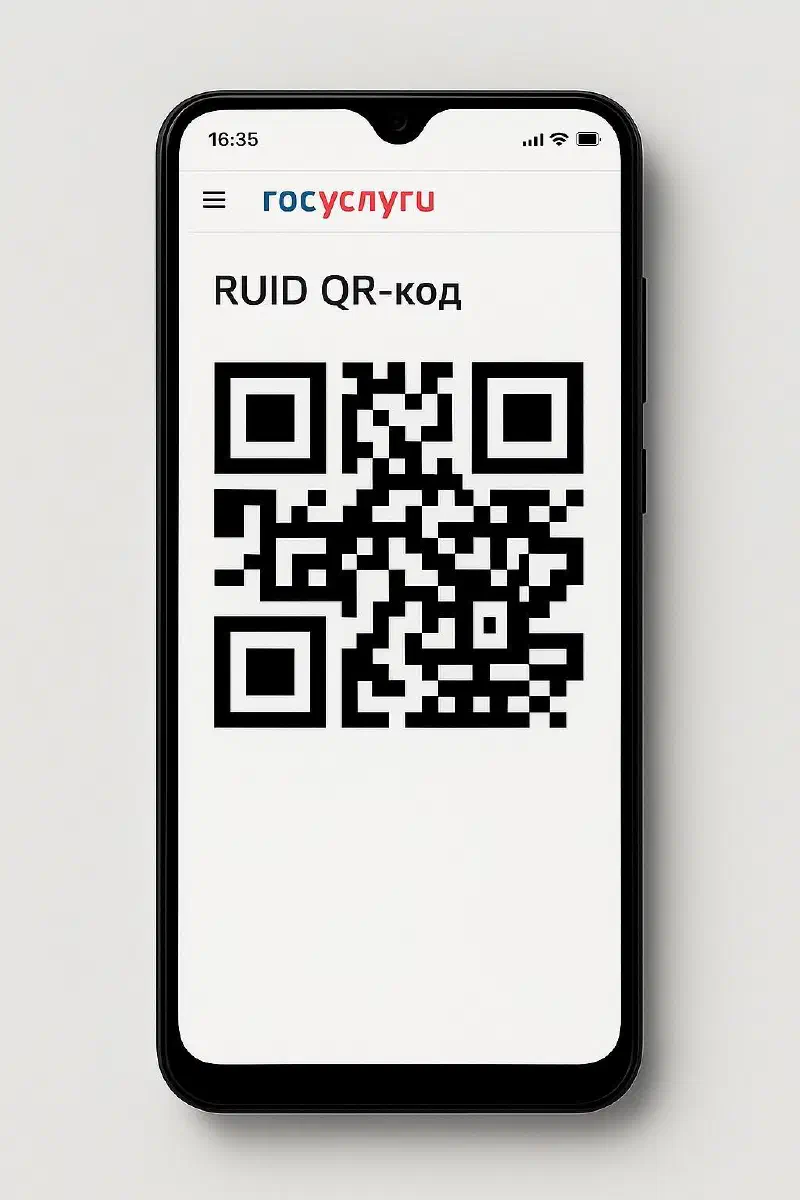
- Save the QR code from the app on your phone: you will be asked to show it when crossing the border.
- Be prepared to provide biometric data—a facial photograph and fingerprints.
- Bring your international passport; a migration card will be issued at the border.
- After entering, register for migration registration within the required period.
Two stages of the experiment
| Stage | Start date | What is required | Where it applies |
|---|---|---|---|
| First | December 1, 2024 | Biometrics: facial photograph and fingerprints | Moscow airports (Sheremetyevo, Domodedovo, Vnukovo), Zhukovsky, Mashtakovo motor-vehicle checkpoint |
| Second | June 30, 2025 | Electronic travel application 72 hours before entry | All checkpoints across the Russian border |
Both stages continue until December 31, 2027. The list of checkpoints where biometric data is collected is gradually expanding—check it before your trip.
Biometrics upon entry
At equipped checkpoints, foreign nationals are photographed and have their fingerprints taken. The procedure is free of charge, takes a few minutes, and the data is added to a digital profile. A separate article explains in detail what to do when providing biometric data at the border and who it applies to.
Electronic travel application
Since June 30, 2025, citizens of visa-free countries have been required to report their trip in advance: no later than 72 hours before entry through the “Gosuslugi. RuID” app or the government services portal. In an emergency—for example, urgent medical treatment or the funeral of a close relative—the application may be submitted at least 4 hours in advance. After processing, the traveler receives a QR code, which must be shown at the border.
Read the article about registering a trip to Russia to find out exactly who needs to register their trip to Russia in advance and what information must be provided.
Who must participate and who is exempt
| Participate in the experiment | Do not participate |
|---|---|
| Citizens of visa-free countries: Uzbekistan, Tajikistan, Kyrgyzstan, Azerbaijan, Armenia, and others | Citizens of Belarus |
| Foreign nationals entering with a visa | Diplomats, embassy and consulate employees, and their family members |
| Children aged 6 and older | Children under 6 |
A visa does not replace travel registration: visa holders must still provide biometric data, while citizens of visa-free countries must also submit an application in the app.
What is a digital profile?
When a foreign national enters under the new system for the first time, a digital profile is created for them. It contains:
- international passport details and border crossings;
- biometric data, if it was provided;
- history of trips to Russia.
The profile speeds up checks at the border. Therefore, before traveling, it is worth finding out in advance whether you have any current entry restrictions—for example, due to old fines or violations of the permitted stay period.
What documents are needed at the border?
| Document | Who needs it |
|---|---|
| International passport | All foreign nationals |
| Visa | Citizens of visa-required countries |
| QR code from “Gosuslugi. RuID” | Citizens of visa-free countries |
| Migration card | Everyone upon entry |
| Medical insurance | All foreign nationals; it is best to arrange it before the trip |
Important dates
- December 1, 2024 — experiment begins: biometrics at Moscow airports and the Mashtakovo checkpoint.
- June 30, 2025 — electronic travel application introduced at all checkpoints.
- June 30, 2026 — the extension of the experiment until the end of 2027 came into force.
- December 31, 2027 — scheduled end of the experiment. The permanent procedure after this date has not yet been approved—check the rules at the time of your trip.
Sources
- Resolution No. 1510 of the Government of the Russian Federation dated November 7, 2024 — the basic act on the experiment.
- Resolution No. 468 of the Government of the Russian Federation dated April 27, 2026 — extension until December 31, 2027.
- Clarification from the Russian Foreign Ministry — official answers to foreign nationals’ questions.
FAQ
Do children need to provide biometric data?
Children under 6 are exempt. From the age of 6, biometric data is provided under the general procedure at equipped checkpoints. If a child enters without their parents