
Why Foreigners May Be Denied Entry to Russia
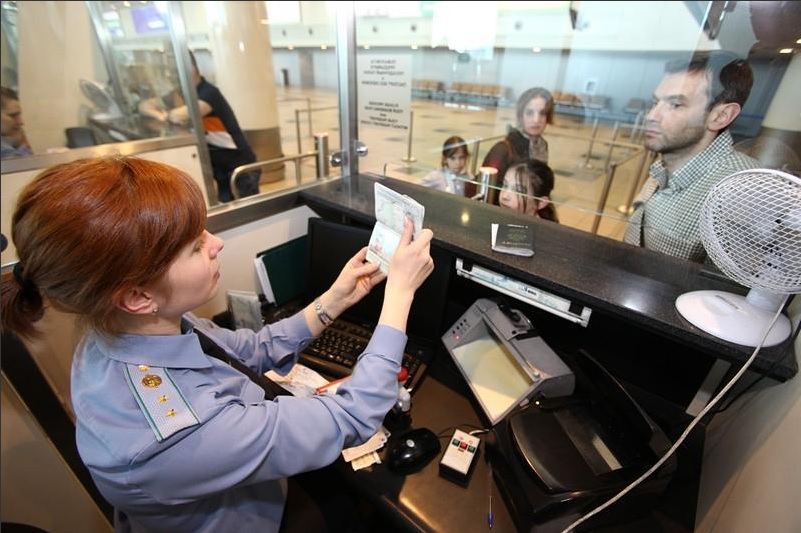
“Entry denied” means that border guards did not allow passage across the border or the online service shows that entry is prohibited. The border itself does not impose the ban: a specific authority makes the decision — most often the Ministry of Internal Affairs (MVD), less frequently the Federal Security Service (FSB) or the Federal Service for Surveillance on Consumer Rights Protection and Human Wellbeing (Rospotrebnadzor). The grounds are listed in Articles 26 and 27 of Law No. 114-FZ: from overstaying and two fines to deportation and forged documents.
The problem is that a person often learns about the ban only at the border — after purchasing a ticket and possibly quitting their job. At the same time, the ban is visible in advance: you can check yourself for free using online services. However, the ban is not always lifted quickly, so it is necessary to check before the trip, not at the airport.
In Brief: What to Do
- Check for entry bans before purchasing a ticket — using the MVD service and the register of controlled persons, including all your passports, even old ones.
- Recall past violations: overstays, fines, court cases, deportations. These are the main reasons for the ban — including long-standing ones.
- If you are not allowed through at the border — calmly ask for the reason for the refusal and the authority that issued it.
- Keep all documents: tickets, boarding passes, stamps, and papers issued at the checkpoint.
- Find out the duration of the ban and the date from which it is counted.
- If the ban is erroneous, has expired, or there are extenuating circumstances (family in Russia, work, treatment) — file a complaint with the authority or a lawsuit in court.
- Do not buy a new ticket or attempt to enter through another checkpoint until the reason is clear.
Main Reasons and Duration of Bans
| Reason | Typical Duration of Ban |
|---|---|
| Overstay in the previous trip | 3 years from the date of departure |
| Two or more administrative penalties (fines for violating the stay regime or work rules) | 5 years |
| Administrative deportation | 5 years, 10 years for repeat offenses |
| Forged documents or false information | As decided by the authority |
| Undesirable presence (security, sanitary rules) | As decided by the authority |
| Error in data: full name, date of birth, passport number | Lifted after document verification |
The durations in the table are typical according to Articles 26 and 27 of Law No. 114-FZ. It is better to clarify the exact grounds and duration according to your decision at the time of document submission: rules change.
An important point: the ban can “catch up” after years. A person overstayed several years ago, left, received a new passport — and upon entry, the database shows a refusal again. The decision is tied to the full name and date of birth, not the passport number, so changing the document does not solve the problem.
How to Check for a Ban Before Traveling
- MVD Service “Check for Grounds for Denial of Entry” — free, response comes immediately. This is reference information, but it shows most of the MVD bans.
- Register of Controlled Persons (RKL) — if you are currently in Russia and legalizing your status, check it as well: being in the register restricts banks, work, and departure.
- Fines and debts — State Services and the website of the bailiffs. Unpaid fines do not always close entry by themselves, but multiple penalties for migration violations are already grounds.
- Old passports — check all previous documents: a ban may have been imposed under an old number.
Online checks do not provide a hundred percent guarantee: databases are updated with delays, and some decisions (for example, from the FSB) are not shown online. If there have been overstays or fines, consider the risk high and clarify in writing. More details — how to check for an entry ban before traveling and what to do if you have already overstayed in Russia.
What to Do If You Are Denied Entry at the Border
- Stay calm, do not argue, and do not attempt to pass through again on the same day.
- Ask for an explanation of which authority and for what reason restricted entry.
- Keep tickets, boarding passes, any stamps, and papers issued.
- Note the date and name of the checkpoint — they will be needed for inquiries and appeals.
- Do not attempt to enter through another country: if the ban is in effect, it will trigger at any checkpoint, and attempts to circumvent it will complicate the appeal.
More details — what to do if you are denied entry at the Russian border.
Can the Ban Be Lifted?
Yes, options depend on the situation:
- Error in data — complaint to the initiating authority with copies of the old and new passports, translations, and documents about the name change.
- Term expired — bans of 3, 5, or 10 years are not indefinite; the countdown usually starts from the date of departure. However, the record in the database may “lag,” so check yourself again before the trip.
- Extenuating circumstances — close relatives are Russian citizens, permanent job, treatment. These are considered during appeals and in some cases for early lifting.
- Amnesty — decisions are periodically made to lift bans for certain categories of foreigners; keep an eye on current news.
- Court — if the authority refused or did not respond, the decision can be appealed in court. You will need the details of the decision, a written response from the authority, and evidence.
A detailed route — in the instructions on how long entry bans are imposed and what to do in case of a ban, deportation, or expulsion.
FAQ
How to find out if my entry to Russia is closed?
The fastest way is the MVD online service: enter your full name, date of birth, and passport details, and the response comes immediately. This is a reference response: if there have been overstays or fines, and the service says “no grounds found,” the risk still remains. It is more reliable to submit a written request and keep the response.
For how many years is entry to Russia closed?
It depends on the grounds: usually 3 years for overstaying, 5 years for two or more administrative penalties or deportation, 10 years for repeated deportation. The countdown often starts from the day of departure from Russia. Check the exact duration in your decision.
If I change my passport, will the entry ban disappear?
No. The ban is tied to the individual — full name and date of birth, not just the passport number. A new passport may even complicate the matter: the data may diverge from the old documents, and the investigation may drag on.
Can I enter through Kazakhstan or Belarus if I was turned back at the border?
It is not advisable. If entry is closed by a decision of a Russian authority, the refusal will be repeated at any checkpoint, and attempts to circumvent it are recorded. First, find out the reason and duration of the ban, then decide what to do.
What to do if the ban was imposed by mistake?
Gather documents confirming the error: old and new passport, translations, penalty orders, tickets, and migration cards. File a complaint with the authority that issued the decision, demanding to correct the data. If there is no response or a refusal comes — appeal in court.
Can the entry ban be lifted through the court?
Yes, in some cases: when the decision was made with violations, the term has already expired, the data was mixed up, or there are extenuating circumstances — for example, family in Russia. Before contacting, it is important to obtain the details of the decision and a written response from the authority: the court looks specifically at these.
When will the entry ban expire on its own?
When the term established by the decision expires. However, the record in the database may not disappear immediately, so before the first trip after that, check yourself again and keep the document about the ban if you have it on hand.
How We Can Help
Describe your situation to a migration law lawyer directly on this page — through the form below. Indicate when and where you were denied, which authority is mentioned, whether there were any overstays, fines, or deportations, and whether your passport has changed. The lawyer will check the grounds for the ban and advise whether there is a prospect of lifting it and what documents to prepare.